A 3.06ct D/VVS1 lab-grown diamond ring cost about $2,100 overseas in 2026, well below typical domestic prices for the same grade. With a quick post-purchase appraisal to confirm the grading, overseas buying can be a reliably good way to stretch a budget.
How Much Should You Spend on a Lab-Grown Diamond Ring? Real Pricing Data from Overseas Purchases (2026)
A 3.06-carat, D-color, VVS1-clarity round lab-grown diamond set in a custom 18k white gold ring cost one buyer approximately $2,100 all-in during an overseas trip in 2026, stone and setting purchased separately, then combined. That single data point, shared on Reddit's r/Diamonds community, is a useful real-world benchmark for just how much further a budget can stretch outside the usual domestic retail channels.
This guide unpacks what that number really means, what drives lab-grown diamond ring prices in 2026, and how to set your own budget, whether you're buying locally, online, or while travelling.
2026 Lab-Grown Diamond Ring Price Snapshot
Before getting into the details, here's a practical comparison table showing how carat weight, quality tier, and purchase channel affect all-in cost for a round lab-grown diamond ring in 2026.
| Carat / Grade | Overseas / Gray Market (est.) | Online US Retailer (est.) | Local US Jeweler (est.) | Key Variable |
|---|---|---|---|---|
| 1.0ct, G/VS2, 14k gold | $400–$650 | $900–$1,500 | $1,200–$2,200 | Cut quality, brand markup |
| 2.0ct, F/VS1, 18k white gold | $900–$1,400 | $2,200–$3,800 | $3,000–$5,500 | Certification, retailer overhead |
| 3.0ct, D/VVS1, 18k white gold | ~$2,100 (real buyer data) | $4,500–$7,500 | $7,000–$12,000+ | Origin premium, custom labor |
| 4.0ct, E/VS1, platinum | $3,000–$4,500 | $7,000–$12,000 | $12,000–$18,000+ | Metal cost, setting complexity |
| 5.0ct, D/IF, 18k gold | $5,000–$8,000 | $12,000–$20,000+ | $18,000–$30,000+ | Rarity of top-grade large stones |
Estimates based on aggregated 2026 market data and community-reported purchases. Individual prices vary by retailer, certification body, and negotiation.
The real-world purchase at the center of this article, a 3.06ct D/VVS1 round in 18k white gold for $2,100, sits comfortably within the overseas range for that grade tier. That's consistent with strong negotiation and a favorable local market, and it's exactly the kind of outcome a well-prepared overseas buyer can aim for.
What Does a Lab-Grown Diamond Ring Actually Cost in 2026?
Lab-grown diamonds are chemically, physically, and optically identical to mined diamonds, grown in a controlled laboratory environment using either High Pressure High Temperature (HPHT) or Chemical Vapor Deposition (CVD) processes. Because production can be scaled and accelerated to weeks rather than millions of years, lab-grown diamond rings are generally far more affordable than their mined equivalents.
The lab-grown diamond market continues expanding rapidly in 2026, and increased production efficiency has kept consumer prices falling year-over-year even as stone quality has improved. A 1-carat round lab diamond that cost $1,500 at a US online retailer in 2022 might now be found for $700 to $1,000 at the same retailer. That's good news for anyone shopping today: this is one of the most buyer-friendly pricing trends in jewelry, and it's worth knowing as you set your budget.
For a complete ring, stone plus setting, this framework is a useful starting point:
- Under $1,000: 0.5–1.0ct, SI1–VS2 clarity, G–H color, simple solitaire in 14k gold. Perfectly wearable, visually clean to the naked eye.
- $1,000–$2,500: 1.5–2.5ct, VS1–VVS2, E–G color, 14k or 18k gold solitaire or simple halo. Strong value zone for most buyers.
- $2,500–$5,000: 2.5–4.0ct, VVS1–VVS2, D–F color, 18k gold or platinum, custom or semi-custom setting. This is where overseas purchases start showing the biggest savings.
- $5,000+: 4ct+, top grades, complex settings, platinum. Still a fraction of mined diamond equivalents at the same grade.
How Did One Buyer Get a 3.06ct D/VVS1 Ring for $2,100 Overseas?
User u/pandawork detailed a 3.06-carat, D-color, VVS1-clarity round lab-grown diamond ring made during an overseas trip, totaling approximately $2,100. The buyer purchased the diamond and the custom 18k white gold setting separately, a smart approach that gives clear price visibility on each component and room to negotiate independently on both.
Breaking down that $2,100:
- The 18k white gold custom ring setting was reported at approximately $750, a reasonable and competitive price for a custom piece in 18k gold.
- The lab-grown diamond cost roughly $1,350 for a 3.06ct D/VVS1 round. At a US online retailer, a comparable certified stone would typically run $2,500 to $5,000-plus depending on cut grade and fluorescence.
A few factors explain the gap, all of them easy to understand once you know how the market works:
- Lower overhead. Overseas jewelers in manufacturing hubs (Thailand, India, Hong Kong, parts of Southeast Asia) operate with significantly lower real estate, labor, and import costs than US or European retailers, and that shows up directly in the price.
- Direct-from-manufacturer access. Travelers who buy in diamond trading districts often skip several layers of wholesale markup that domestic retail prices include.
- Negotiation. In many overseas markets, listed prices are a starting point rather than a final number, which gives a prepared buyer real room to do better.
- Certification status worth confirming. Some overseas sellers issue local grading rather than an IGI or GIA report. This doesn't mean the stone is wrong; it simply means it's worth getting an independent grading report afterward to lock in the value of the deal you got, which is covered below.
The short version: this buyer did very well on price, and a quick post-purchase verification step is the easy way to make sure the deal holds up on paper as well as it does on the hand.
What Are the 4Cs and Why Do They Drive Price More Than Carat Alone?
The 4Cs, cut, clarity, color, and carat weight, form the universal grading framework gemologists use worldwide to assess diamond quality and set prices. Understanding them helps you spend any budget more effectively.
Cut is the single most impactful factor on visual beauty. A poorly cut 3-carat stone will look duller and smaller than a well-cut 2-carat stone. For round brilliants, aim for Excellent or Ideal cut grades. Cut is also the one C that doesn't change over time: a good setting can soften a clarity flaw, lower color grades are often invisible to the naked eye, but a great cut is permanent and a weak cut can't be fixed later.
Clarity measures how free a stone is from internal inclusions and external blemishes, on a scale from Flawless (FL) to Included (I3). For practical purposes, VS2 or SI1 stones are "eye-clean," meaning inclusions aren't visible without magnification, and represent excellent value. VVS1 (as in the Reddit purchase) sits near the top of the scale and commands a real premium over VS2 without a visible difference to most people looking at the ring.
Color runs from D (colorless) to Z (light yellow), with D the rarest and most expensive. For white gold or platinum settings, D–F is ideal. For yellow or rose gold, G–H color often looks indistinguishable from D once set, which is a useful way to save money without any visible trade-off. The Reddit buyer's D-color stone is top-tier, a nice-to-have rather than a necessity for most wearers.
Carat weight is the most misunderstood C. Carat is a unit of mass (1 carat = 0.2 grams), not size, so two 2-carat stones can look quite different in diameter depending on cut proportions. Price increases non-linearly with carat: a 2ct stone costs more than twice a 1ct stone of identical quality, because larger rough material is rarer.
Royal Jewelers' 2026 value guide puts it simply: "quality is more important than size when buying a diamond," a principle that applies just as much to lab-grown stones. Choosing a larger stone at the cost of cut quality is one of the easiest mistakes to avoid once you know to look out for it.
Is Buying a Lab-Grown Diamond Ring Overseas a Good Strategy?
Buying overseas means purchasing a diamond or ring in a foreign country, typically a manufacturing or trading hub, where production costs, labor, and retail overhead are substantially lower than in your home market. Done with a bit of preparation, it can be a smart way to get more diamond for your money.
The case for buying overseas:
- Price savings of 40 to 70 percent on comparable stones are achievable in markets like Bangkok's Silom district, Surat and Mumbai in India, Hong Kong, and parts of Southeast Asia.
- Custom settings can be made quickly and affordably by skilled craftspeople.
- You can inspect stones in person and negotiate directly, which is harder to do with an online purchase.
A few things worth planning around:
- Certification. A stone without an IGI or GIA report is graded on the seller's word alone at the point of sale. This is easily resolved afterward (see the verification steps below), so it's a planning item rather than a reason to avoid overseas buying.
- Confirming lab-grown origin. Proper documentation, gathered before or after the purchase, gives you certainty that the stone is lab-grown as described, rather than a simulant or a natural stone of different quality.
- Customs and duties. Depending on your home country, jewelry purchases above certain thresholds may be subject to import duties. Declaring the purchase honestly keeps this simple and avoids any complications.
- Setting quality. A custom setting made quickly abroad is usually excellent, but it's worth having prong integrity and metal purity checked by a local jeweler once you're home, the same way you'd want a once-over after any custom commission.
A few simple steps make the whole process smoother:
- Ask for an IGI or GIA grading report if the stone is above 1 carat. Reputable dealers in major trading hubs can often source certified stones on request.
- Plan for a local jeweler or gemologist to take a quick look when you return home. A professional appraisal typically costs $50 to $150 and gives you documented value for insurance, plus peace of mind.
- Declare your purchase at customs. It's simple, and it protects you fully if any question ever comes up later.
The $2,100 purchase described in the Reddit thread is a great benchmark for what's achievable with some preparation and a bit of travel. Your own results will depend on the country, the market, the seller, and how comfortable you are evaluating what's in front of you, but none of that is out of reach for an informed buyer.
How Does Lab-Grown Diamond Pricing Compare to Natural Diamonds in 2026?
Lab-grown diamonds are chemically identical to mined diamonds but produced at a fraction of the cost, and that efficiency now shows up fully in retail prices. In 2026, lab-grown diamonds typically sell for 70 to 85 percent less than equivalent mined diamonds at major US retailers.
A 3-carat, D/VVS1 round natural diamond at a reputable US retailer would likely run $40,000 to $80,000 or more depending on cut and fluorescence. The same grade in lab-grown form might be $4,500 to $7,500 online, or $2,100 overseas. That gap is the whole reason lab-grown diamonds have become so popular: it's simply a different price category for a visually and physically identical stone.
Royal Jewelers' 2026 guide frames this well: "A larger stone can often be purchased for the same budget by the buyer." For couples prioritizing visual impact, lab-grown diamonds offer real, tangible value.
The same guide is candid that lab-grown diamonds generally hold their value less well than natural diamonds on resale. That's worth knowing, and it's covered in detail in our companion guide on lab-grown diamond resale value. For the buyer focused on getting a beautiful ring at a price that makes sense, it's a side note rather than a deciding factor.
What Should Your Budget Actually Be? A Framework for 2026 Buyers
There's no universally correct amount to spend on a lab-grown diamond ring. The old "two months' salary" guideline was a marketing invention with no real basis, so feel free to set it aside entirely. A more useful framework:
Step 1: Decide on the visual priority. Do you want maximum carat size, maximum sparkle (cut quality), or maximum color and clarity grade? These trade off against each other within a fixed budget, so knowing your priority first makes every other decision easier.
Step 2: Set a comfortable ceiling. Lab-grown diamond prices are still trending down, so there's no rush to spend at the very top of your range. Leaving a little room is an easy way to stay flexible.
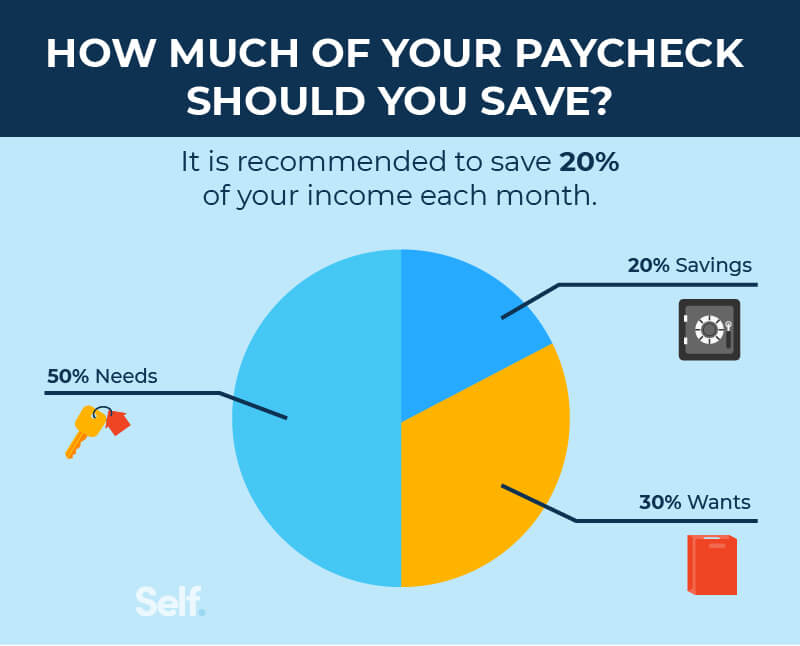
Step 3: Allocate by component. For a custom ring, separating stone and setting costs, as the Reddit buyer did, gives cleaner price signals and more room to negotiate. A reasonable split for a mid-range purchase is roughly 70 to 75 percent on the stone and 25 to 30 percent on the setting.
Step 4: Prioritize cut, then color, then clarity, then carat. This order reflects where you get the most visual payoff per dollar. An Excellent-cut G/VS2 2-carat stone will outshine a Fair-cut D/VVS1 2-carat stone in almost any lighting.
Step 5: Get it certified. An IGI or GIA certificate is the document that makes your purchase verifiable, insurable, and easy to resell if that's ever relevant. Royal Jewelers advises buying "from reputable jewelers that offer certification" and keeping all documents and grading reports on file.
For most buyers in 2026, a $1,500 to $3,500 budget for a lab-grown diamond engagement ring gets a truly solid stone (1.5 to 3ct, VS1–VVS2, F–H color, Excellent cut) in a quality 14k or 18k gold setting from a reputable online retailer. Buying overseas can push that same budget into 3ct-plus D/VVS1 territory, with a quick verification step on return to lock in the value.
What Other Costs Are Worth Budgeting For?
The sticker price of the stone and setting isn't always the full picture. A few additional costs are worth planning for, none of them large, but all easy to forget:
Appraisal. A professional appraisal for insurance purposes typically costs $50 to $150 per item. Lab diamond appraisal reflects retail replacement cost rather than resale value, so don't be surprised if a $2,100 overseas ring appraises at $6,000 to $8,000. That's simply what it would cost to replace at a US retailer, and it's a good number to have on file for insurance.
Insurance. Jewelry insurance typically runs 1 to 2 percent of appraised value annually. For a ring appraised at $6,000, that's roughly $60 to $120 a year, a small, predictable cost.
Resizing. Custom rings made overseas may need a small fit adjustment. Resizing in 18k white gold typically costs $40 to $100 at a local jeweler.
Customs duties. In the US, jewelry is generally subject to 6.5 percent duty above the $800 personal exemption. On a $2,100 purchase, that's roughly $85 on the amount above $800, a modest and predictable line item.
Prong checks and maintenance. Custom settings, wherever they're made, benefit from an early check-up. Budget $50 to $200 for a first-year inspection and any minor tightening.
How Do You Verify a Lab-Grown Diamond's Quality After an Overseas Purchase?
Verification simply means confirming that a diamond's stated characteristics, carat weight, color, clarity, cut, and lab-grown origin, match what you paid for. It's a quick, low-cost step that's well worth doing for any overseas purchase without a major-lab certificate.
Step 1: Find a GIA-certified gemologist or independent appraiser. The American Society of Jewelry Appraisers (ASJA) and the National Association of Jewelry Appraisers (NAJA) maintain directories of credentialed appraisers. A full appraisal typically runs $75 to $150.
Step 2: Ask for a UV fluorescence check. Lab-grown diamonds (especially CVD stones) often show distinct fluorescence patterns under UV light. A trained gemologist can read these in minutes.
Step 3: Consider submitting the stone to IGI or GIA for grading. If the stone is uncertified and above 1 carat, submitting it for grading typically costs $80 to $200 depending on size and turnaround. The resulting certificate improves resale flexibility and gives definitive confirmation of lab-grown origin, turning a good deal into a fully documented one.
Step 4: Have the setting checked. A local jeweler can confirm prong integrity and metal purity (a simple acid test or XRF scan verifies 18k gold) in one quick visit, especially useful for custom settings made abroad.
Should You Buy Lab-Grown for an Engagement Ring in 2026?
Lab-grown diamonds are an excellent choice for engagement rings in 2026 for buyers who care about visual beauty, ethical sourcing, and getting the most ring for their budget. They're physically and visually indistinguishable from mined diamonds to the naked eye, and to most gemological instruments without specialized testing.
The few things worth knowing going in are manageable rather than concerning. Resale value is lower than for natural diamonds and likely to stay that way, which matters only if resale is part of your plan. Some people attach extra sentimental weight to natural stones, which is a personal preference worth discussing with whoever's wearing the ring. Buying overseas, while capable of delivering excellent value (as the $2,100 3.06ct ring shows), works best with a simple verification step afterward, which takes an afternoon and a modest fee.
For buyers exploring lab-grown engagement rings across different styles and settings, our guides on best lab-grown diamond engagement rings in India (2026) and 1.5 to 2 carat oval lab-grown diamond solitaire rings offer detailed comparisons across price points. For setting style specifically, our breakdown of U-prong and six-prong solitaire settings covers how mounting choice affects appearance and long-term durability.
On durability: lab-grown diamonds score 10 on the Mohs hardness scale, identical to mined diamonds, making them among the most durable materials you can wear every day. Our real user durability reports confirm that lab-grown stones hold up well under everyday wear, with the setting, not the stone, being the more common point of attention over time.
What's the Bottom Line on Overseas Lab-Grown Diamond Pricing?
The $2,100 all-in price for a 3.06ct D/VVS1 round lab-grown diamond ring in 18k white gold is a clearly great outcome, likely 50 to 70 percent below what a comparable certified stone and custom setting would cost at a US online retailer, and more than 80 percent below a domestic brick-and-mortar jeweler. It's a real-world example of what's achievable when you combine overseas market access, direct purchasing, and a bit of negotiation.
It's also a single data point, so the smart move is a quick independent appraisal to confirm the grades once you're home; a small step that turns a great anecdote into a fully documented, equally great purchase.
Royal Jewelers' 2026 guide sums it up well: "Compare the different retailers before making a decision. Online jewelers are often the better bargain. Sacrifice size for cut quality." That advice holds whether you're buying domestically or abroad.
The smartest approach in 2026 is to treat overseas pricing as a useful benchmark, a sense of what's achievable, rather than assuming it's the only right move for your situation. If you have the travel opportunity and the willingness to do a simple verification step on return, overseas buying can deliver outstanding value. If that's not the right fit for you, a reputable online retailer with IGI-certified stones will still get you considerably more diamond per dollar than a local jewelry store, with no extra verification needed.
Set your budget based on what the ring will mean to the person wearing it, not on what the price tag implies it should be worth later. In 2026, a lab-grown diamond ring can be both beautiful and affordable. Those two things are no longer in tension, and that's the headline worth remembering.
Sources
- 3.06 carat ring I just had made — Reddit r/Diamonds
- Lab Diamonds Value Guide 2026: Prices, Quality & Buying Tips — Royal Jewelers
- 1.5 to 2 Carat Oval Lab-Grown Diamond Solitaire Rings: What to Know Before Buying in India (2026) — Lab Diamond Insights
- Best Lab-Grown Diamond Engagement Rings to Buy in India (2026) — Lab Diamond Insights
- Best U-Prong and Six-Prong Lab Grown Diamond Solitaire Engagement Rings in India (2026) — Lab Diamond Insights
- How Lab-Grown Diamonds Hold Up Under Daily Wear: Real User Durability Reports — Lab Diamond Insights